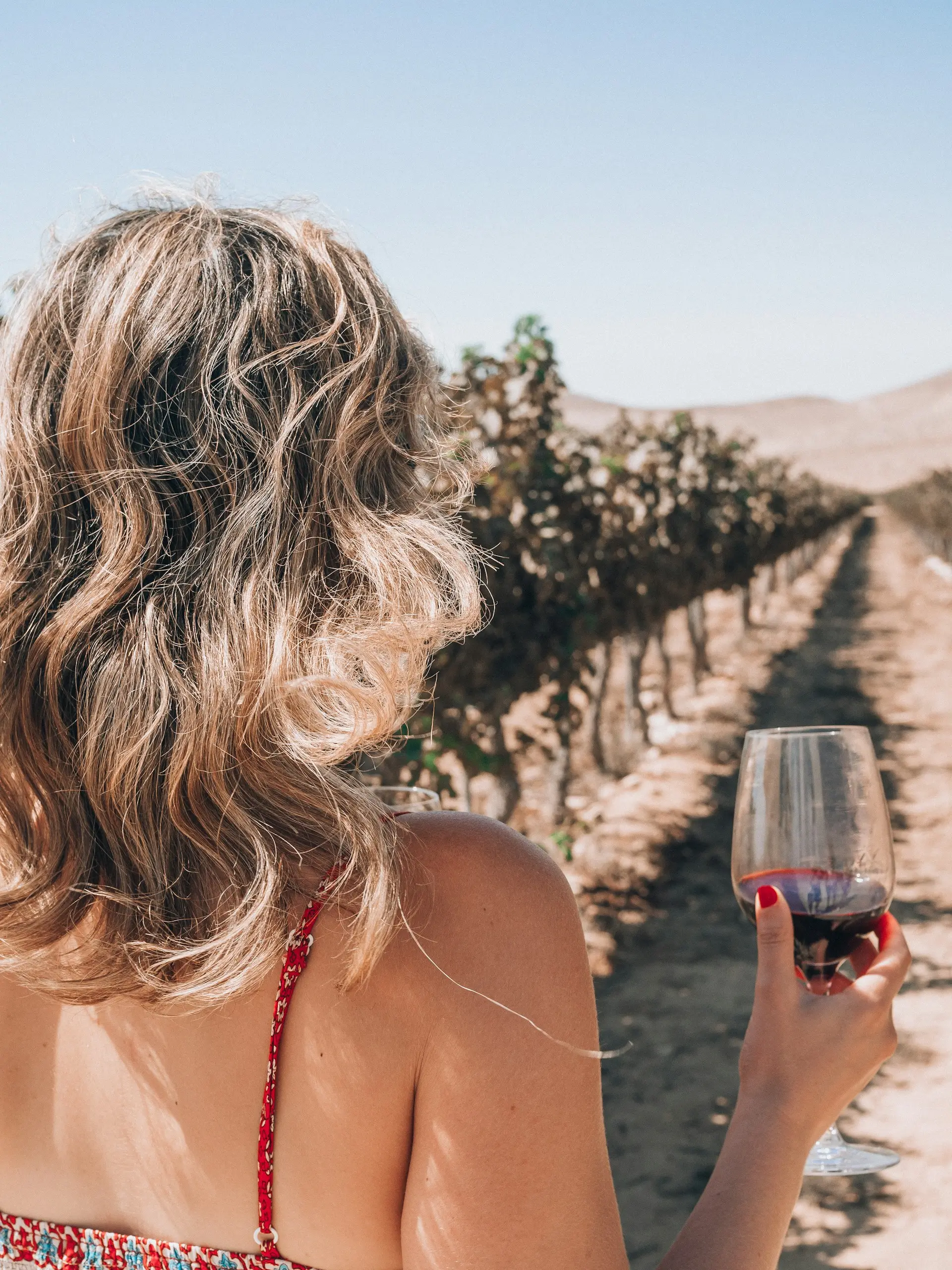
If you visit the Langhe in April, you will see tractors in the rows and two men in hats arguing in dialect at the edge of a vineyard, and you will not see a single green leaf. That is correct. That is Nebbiolo. It wakes up late. It does not apologise for this.
Piedmont is one of the last regions in Western Europe to break bud in a normal year. In the hills around La Morra and Barolo and Serralunga, the Nebbiolo will often still be dormant in the second week of April while the Dolcetto down in the valley is already three inches into its new growth. This is not a bug. It is the grape. Nebbiolo evolved on these hills. It knows what it is doing. It is sleeping because the weather is still uncertain and it would rather wait than be caught in a late frost.
Why April is quiet
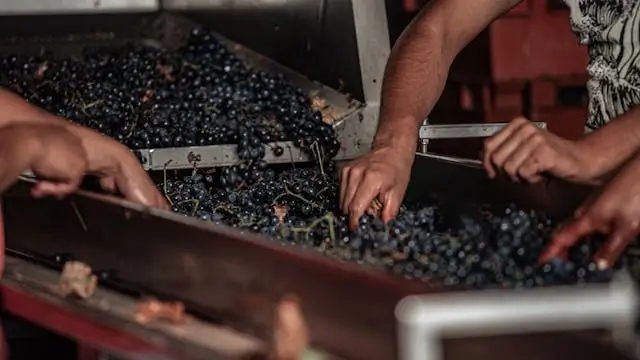
The Barolo vintage, as a public event, runs from August — when the Nebbiolo berries finally start to close up — through the pick, which happens in mid- to late October and is always the last of any serious red grape in Italy. The wine then goes into cement or stainless for the primary ferment, then into the botti — the big, neutral Slavonian oak casks — for a minimum of thirty-eight months of aging under the DOCG rules. Counting from the 2026 vintage we are watching this year, the finished wine will not be released until May 2029.
This is why, when you visit La Morra in April, the village is quiet. The winemakers are in the cellar topping up barrels and in the rows pruning vines that will bud in three weeks. They are not in a hurry. They have three and a half years to make the wine they are about to make. A visiting journalist once asked a fourth-generation vignaiolo in the village what his spring schedule looked like. He said: Walk. Think. Prune. Wait.
What the fog does
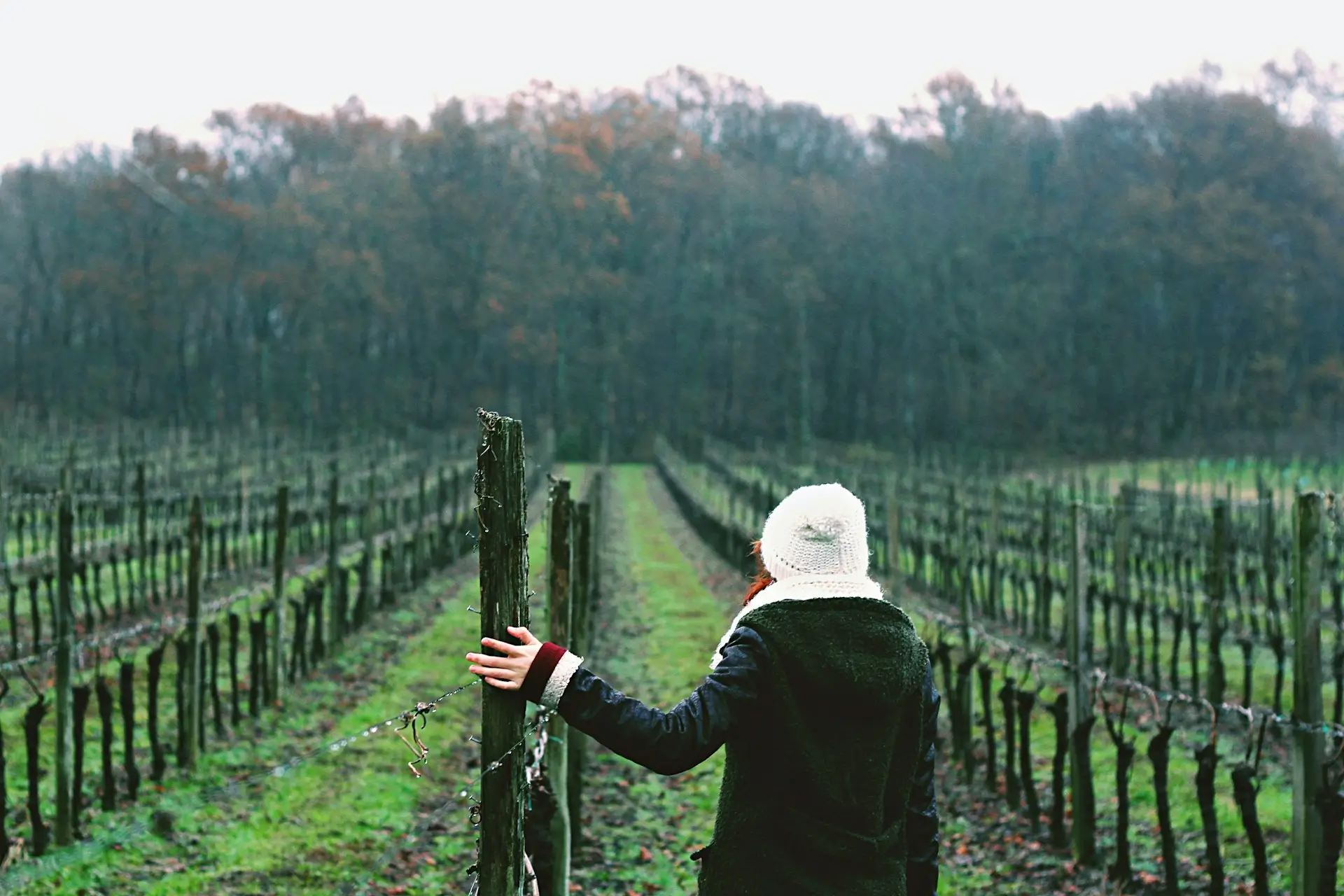
The name Nebbiolo comes from the Italian word nebbia, which means fog. There are two theories about why. The first is that the berries develop a heavy bloom — a waxy coating — as they ripen in October, and from a distance it looks like fog on the vines. The second is that the harvest itself happens in October, when the hills are wrapped in morning fog almost every day, and the grape was named for the weather under which it came off the vine.
Both are probably true. The fog matters. Nebbiolo develops its famous tannins and its savoury, tar-and-rose aromatic signature through a long, slow ripening in the fog window of October. The mornings are cool and damp. The afternoons warm up into the low twenties. The nights drop back to seven or eight degrees. This diurnal swing — warm day, cold night, wet morning, bright afternoon — is what the grape is shaped for. If you have had a Barolo that tastes like roses and tar and orange peel and some kind of cold wood, you have tasted October.
Barolo is the wine of a slow autumn. Everything else about it follows from that.
The crus, briefly
Barolo is officially divided into eleven communes and a further 170 MGA zones — geographical subdivisions that function roughly like Burgundian climats. The most famous are in La Morra (Brunate, Cerequio, Rocche dell'Annunziata) and in Serralunga d'Alba (Vigna Rionda, Falletto, Lazzarito). The La Morra wines are often described as more aromatic and earlier-drinking. The Serralunga wines are often described as more structured and longer-lived. Like all generalisations about a wine region, these are half-true.
If you are tasting Barolo for the first time and you want a cheat sheet, this is the one I give friends: buy one bottle from La Morra, one from Serralunga, and one from Castiglione Falletto. Open them in that order over the course of a week. You will taste three distinct versions of the same grape, and you will never again believe the claim that Nebbiolo is a single wine. It is not. It is a family.
What to expect from a 2026 Barolo
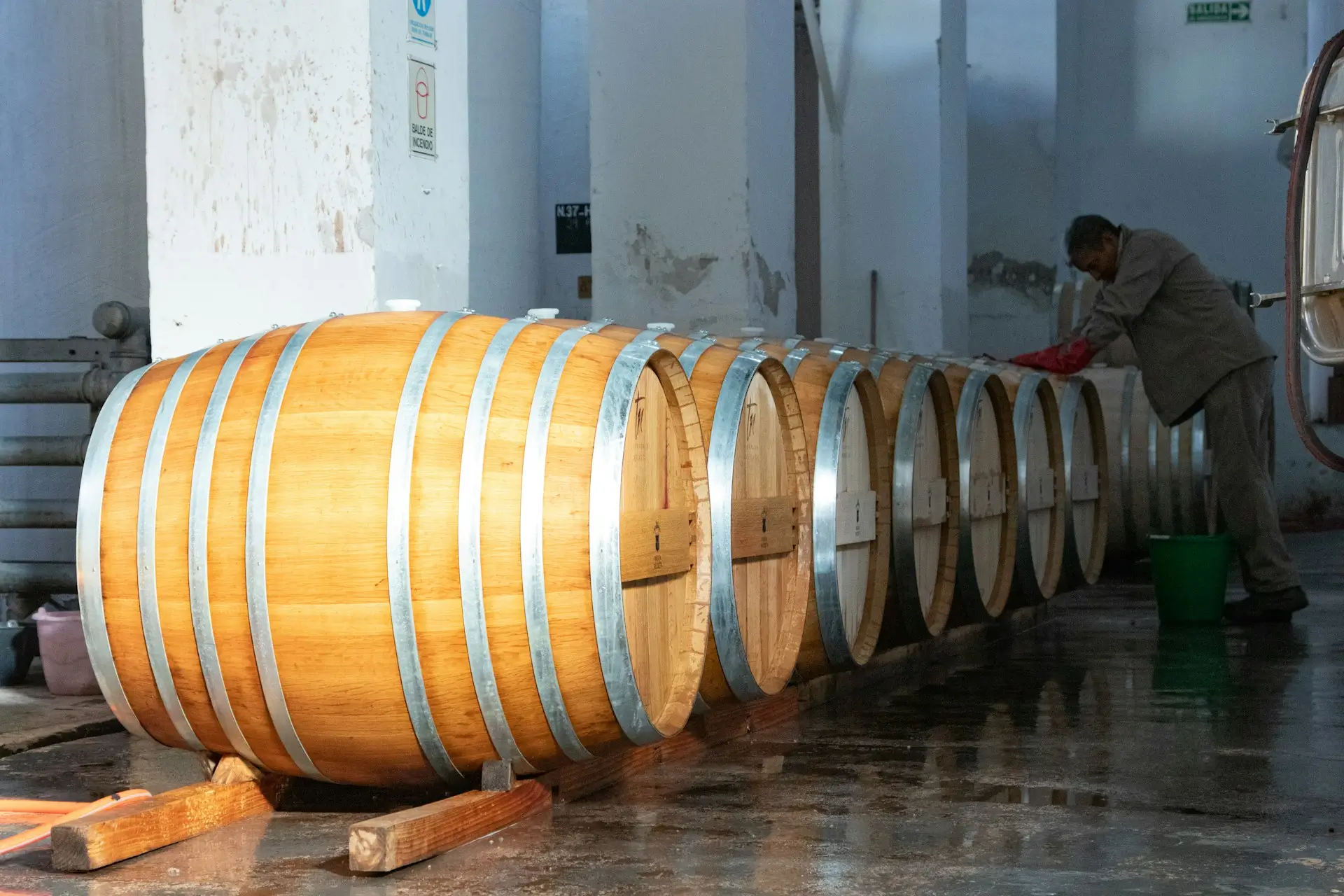
Too early to know. A 2026 Barolo Crew in La Morra is currently enrolling, and the pick will happen in October of this year. The wine will be in cement for three months, then in botti for three years, then in bottle for six months before release. You will not drink the 2026 until 2029. The Crew members who signed up will taste the post-ferment sample in February 2027, the first barrel sample in June 2027, the blend trial samples in March 2028, and the finished bottle in May 2029.
That is three and a half years. It is a long time. It is, as the old vignaioli like to say, the right amount of time. Barolo waits. The people who love Barolo wait with it.
Written by
Split Vineyards
Published December 2, 2025