The 2024 vintage at Domaine Champignon began the way most vintages in Meursault begin — with Marie Laurent standing in a pair of rubber boots at the end of a row of Chardonnay, hands in her pockets, looking at nothing in particular. It ended seven weeks earlier than her father had picked the same block in 1994, and with a finished wine that three of the Crew members have told me, unprompted, is the best Champignon they have ever tasted. The middle part is the interesting part.
April to June: the long wet spring
Bud break came April 3. That was three days ahead of the ten-year average and about a week behind the reference vintage of 2020, which was the hot one everyone still compares everything to. April in Burgundy was wet — not catastrophic, but wet — and Marie spent most of it walking the rows with a sprayer on her back. She uses very little copper and almost no sulfur, and she farms by the calendar she inherited from her grandfather, which is a mixed blessing when the calendar was built for a colder century.
The first Crew letter went out on April 14, the day after bud break on the Chardonnay block. It was four paragraphs long. It included a photograph Marie's mother took on her phone. It ended with a sentence I think about often: If I lose this vintage to mildew, you will be the first to know.
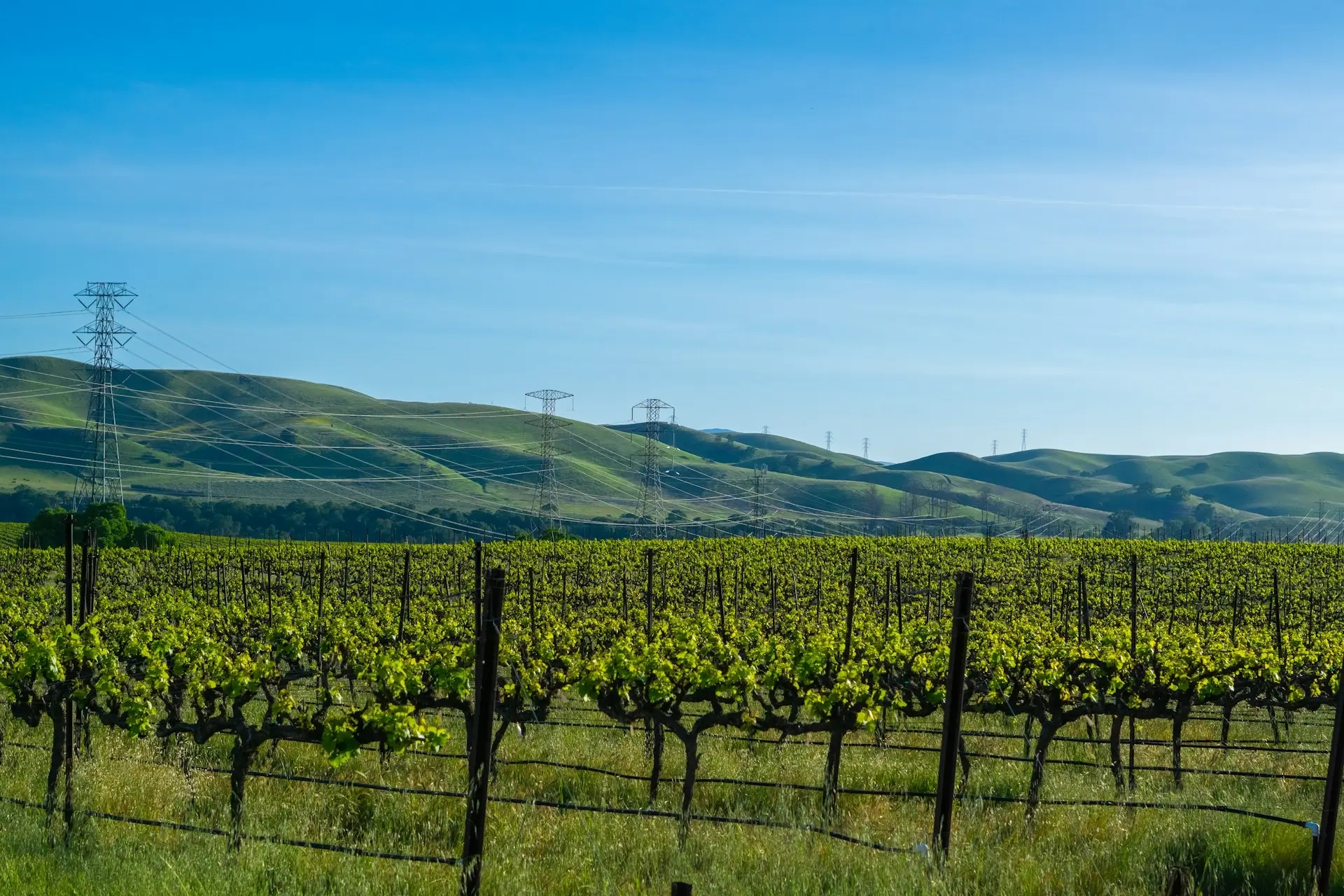
She did not lose the vintage to mildew. She lost about eight percent of the Pinot flowering to rain at the wrong moment in the third week of May — this is called coulure, and it is an annoying fact of life in cool vintages — but the Chardonnay set was clean and on the lower parcel almost aggressive. By early June she was walking rows with thinning shears and taking more fruit off than she had planned.
July and August: the heat
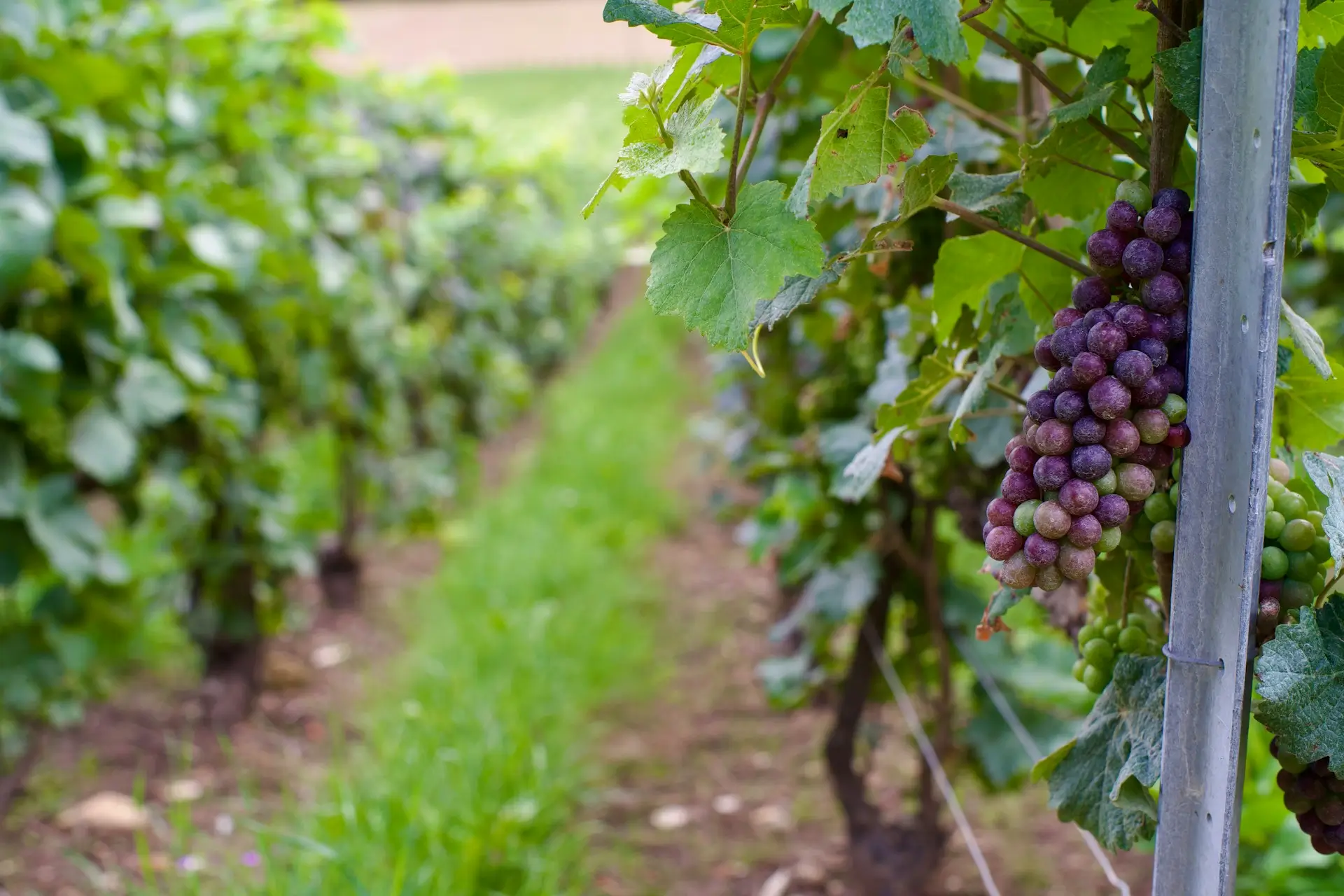
Then the weather turned. The second week of July brought five consecutive days above thirty degrees Celsius, which is not dramatic by Californian standards but is a different kind of event in Meursault, where the old vines have lived through maybe a dozen weeks that hot in their lifetimes. The canopy went into defense mode. The leaves closed. The ripening slowed. Véraison on the Pinot block, which Marie had been expecting mid-August, pushed to the twelfth and came fast when it came — almost the whole parcel turning in three days.
The verijuice shipments went out the week of August 19. If you are a Crew member this was the first physical thing you received — a small amber bottle of unripe-grape juice pressed from fruit that had been taken off during the late green harvest. It tasted like green apple and a little bit of cut grass and a lot of acid. Marie's note on the tag said: This is what your wine is made of, before it becomes itself. Drink it cold.
You cannot understand a wine until you have tasted the juice it came from. Verijuice is the first chapter of the book.
September: the pick
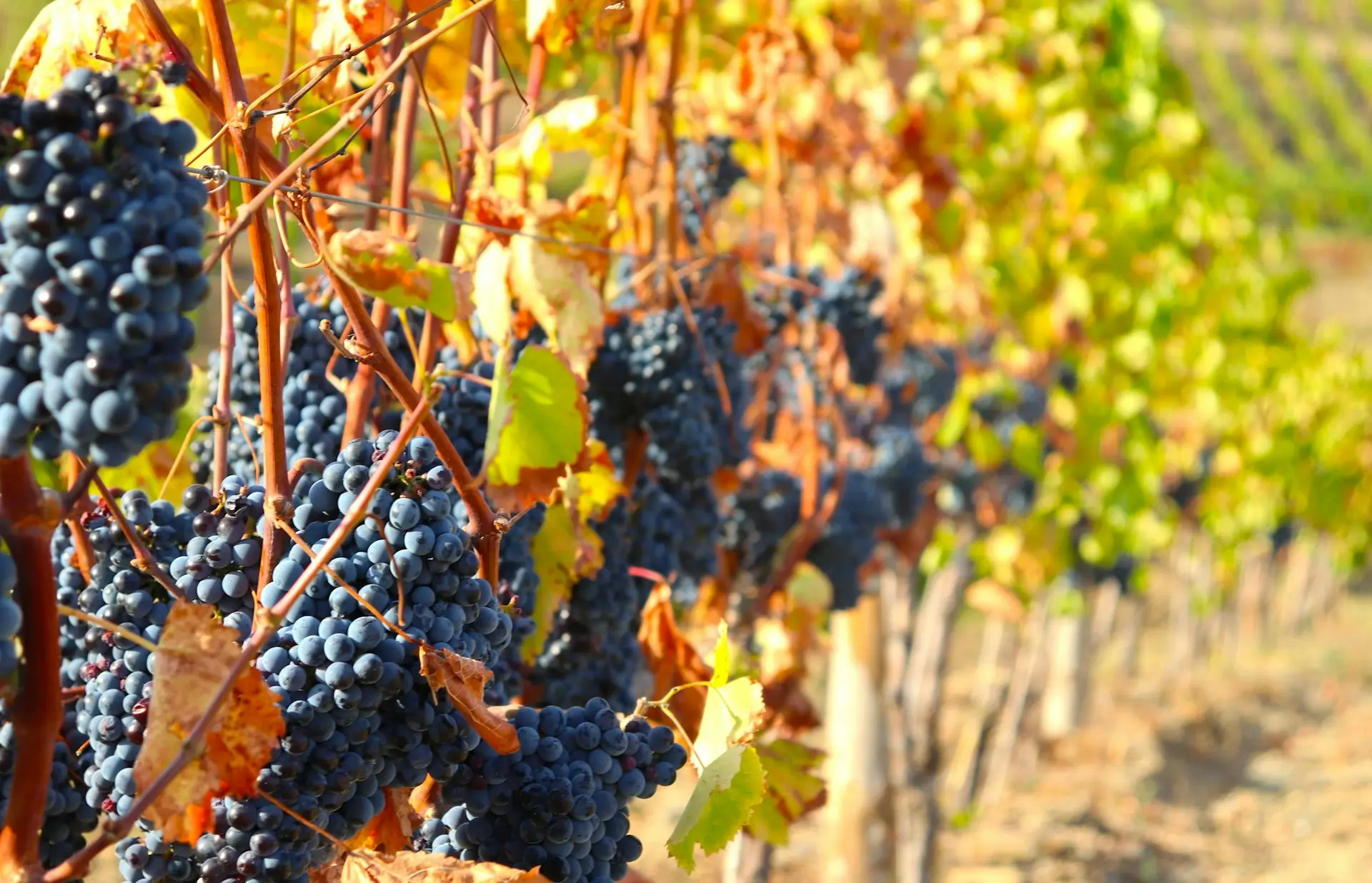
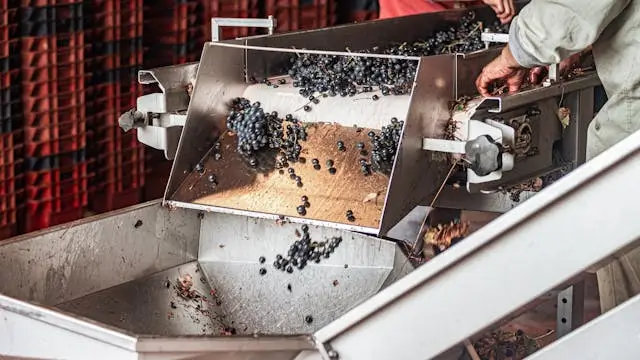
The pick happened in two windows. The Chardonnay came off on Friday the thirteenth, a date Marie pointed out would have terrified her grandfather and amused her father. The day was cool, misty until nine, clear by noon. The pickers finished in a single session and the juice was in tank by four in the afternoon. Brix came in at 22.9 on the cooperative scale, pH 3.49. Marie described it to the Crew as beautiful numbers. She sent a photograph of the full press basket that night.
The Pinot came a week later, on the twentieth and twenty-first. Marie let a small parcel at the top of the slope hang until the twenty-third, which she said later was probably two days too long — the skins were beautiful but the sugar ran away from the acid at the end. She blended that parcel down aggressively in the final cuvée. The Crew will taste the result blind against the main lot at the blend trial in May.
Fermentation and the long quiet
Fermentation was uneventful, which is the adjective a winemaker most wants to use. Native yeast, long start on the Chardonnay, a cooler ferment on the Pinot to keep the aromatics. Marie sent a post-ferment sample to the Crew in early December. It was shipped in a clear 150ml bottle with a handwritten tag. It tasted — my notes from the tasting room say — like someone had poured fresh-pressed lemon juice over a wheel of brioche and then left it on a stone counter for an hour.
Then the quiet part began. Wines in barrel do not announce themselves. They do their work slowly. The first barrel sample went to the Crew in March of this year, 2025 on the wine, and the second will ship in June. The finished bottles are scheduled for August 2026, which is six months away. If you are reading this and you are not a Crew member — that is a long time. If you are a Crew member — it is a short time.
What we learned
Three things, in no particular order. First: the 2024 vintage at Champignon is a cool-climate wine pretending to be a warmer one. The fruit is slightly broader than the house style and the acid is slightly tighter. It should age well, possibly very well. Second: Marie's willingness to share the decisions in real time, and the Crew's willingness to engage with them, changed the texture of her year. She told me, in January, that she had never before had a vintage where she felt she understood exactly why the wine turned out the way it did. Third: the Crew format — thirty-four people following the same wine for eighteen months — did not distract from the winemaking. It became, in her phrase, a quieter version of the conversation she has always had with her father.
The 2026 Crew is now enrolling. Most of the 2024 Crew have already re-upped. The wine arrives in the autumn.
Written by
Graham Mumm
Published March 8, 2026